What Blood Sugar Level Requires Insulin: A Simple Guide
 Admin
Admin
Seeing a high blood sugar number can immediately raise concerns. Understanding when insulin is needed helps remove fear, reduce confusion and make confident decisions about managing blood sugar levels.
Blood sugar numbers can feel like they’re constantly judging you. One glance at your glucose meter and suddenly your brain starts racing, leaving you wondering, Is this too high? Should I be worried? Does this mean insulin? The anticipation alone can be stressful, especially when every blog, chart and app seems to say something slightly different. Leave everything behind and understand every single thing clearly so you can get the bigger picture of feeling better.
First Things First: What Is Insulin?
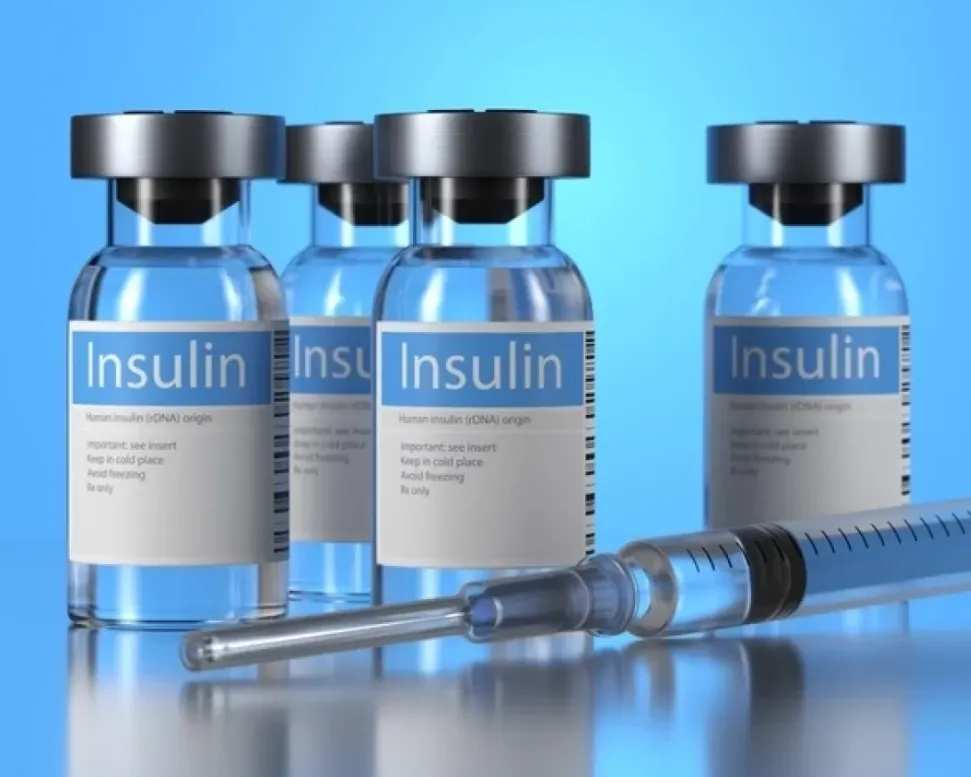
Insulin is a hormone made by your pancreas and its main job is to keep blood sugar under control. It's like a delivery driver that picks up sugar from your bloodstream and drops it off into your cells, where your body can actually use it for energy. When insulin works properly, blood sugar stays in a healthy range without much drama. Troubles start when your body doesn’t make enough insulin or doesn’t respond to it well. Sugar begins to build up in the blood instead of being used for fuel.
Over time, this leads to high blood sugar levels, making insulin necessary to help your body regain balance.
Is Insulin a Failure?
Insulin is not a punishment, a setback, or a kind of "overlooked" sign that you didn’t try hard enough. Diabetes changes over time, and your treatment should change with it. Using insulin simply means you’re giving your body the support it needs to work better, feel stronger and stay healthy (nothing more, nothing less).
So… What Blood Sugar Level Requires Insulin?
Let's learn when you need insulin treatment:
Consistently Above 250 mg/dL
When blood sugar levels stay above 250 mg/dL day after day, it’s a sign that the body is struggling to manage glucose on its own. At this point, oral medications may no longer be enough. Doctors often introduce insulin to quickly bring levels down and reduce the risk of long-term complications.
Fasting Blood Sugar Over 180–200 mg/dL
High fasting blood sugar is especially important as it shows what’s happening when you haven’t eaten for hours. Readings over 180–200 mg/dL in the morning usually mean your liver is releasing too much sugar overnight. Insulin can help control these early spikes and set the tone for steadier blood sugar.
Random Readings Above 300 mg/dL
A blood sugar reading over 300 mg/dL is a serious signal that the body needs immediate help. At this level, dehydration, ketone buildup, and dangerous conditions can develop quickly. Insulin is often required to bring sugar levels down safely and prevent emergencies.
High Blood Sugar With Symptoms
Sometimes insulin is needed even when numbers aren’t high. If elevated blood sugar comes with symptoms like extreme thirst, frequent urination, or blurred vision, it means your body is already under stress. Insulin helps relieve symptoms faster while protecting your organs from further strain. Here are common symptoms that require insulin treatment:
Symptoms That Scream “Insulin Time!”
- Constant thirst that doesn’t fade even after drinking
- Frequent urination disrupts daily activities and sleep
- Extreme fatigue makes everyday tasks feel overwhelming
- Blurry vision affects focus and daily productivity
- Sudden unexplained weight loss over a short period
There’s no single blood sugar number that automatically means insulin for everyone. Doctors look at patterns, symptoms, overall health, and how your body responds to other treatments. Still, consistently high readings often signal that insulin is the most effective next step. If insulin becomes part of your routine, remember this: it’s a tool, not a label. With the right guidance, insulin can help you feel more energized and more in control of your health.
Stay tuned to ModernMavenLiving for more details on healthy guides.