
Why People with Heel Pain Prefer OrthoFlexx Insoles
 Content Writers
Persistent heel pain often traces back to poor arch support and strain on the plantar fascia. This guide explains why OrthoFlexx insoles have become a common solution.
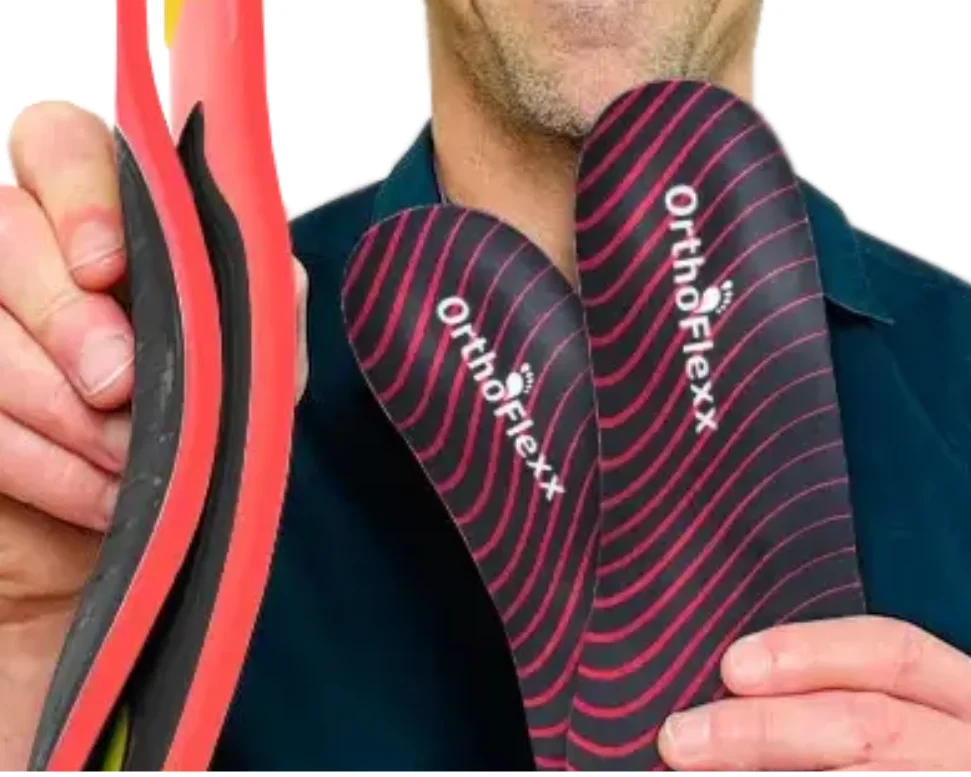
Plantar fasciitis can make it hard to walk or stand every day. People start looking into supporting insoles when soft inserts don't help with their heel pain. And for ones who want arch support that keeps the feet stable and relieves strain on sensitive areas come across Orthoflexx.
This blog explains why OrthoFlexx insoles are ideal for people dealing with plantar fasciitis and how proper arch support plays a huge role in recovery.
Why Plantar Fasciitis Causes Daily Foot Pain
Plantar fasciitis develops when the plantar fascia ligament becomes strained or inflamed. This thick band of tissue runs along the bottom of the foot and supports the arch. Repeated stress from standing, walking, or poor foot mechanics can create small tears that trigger pain.
Morning heel pain is one of the most common symptoms. Many people notice a sharp stabbing sensation during the first steps of the day because the plantar fascia tightens overnight. As movement increases, the tissue gradually loosens, which explains why discomfort often improves after walking for a while.
Foot structure plays a major role in this condition. Flat feet, collapsing arches, or overpronation can place excessive tension on the plantar fascia. When the arch fails to support body weight properly, the ligament absorbs more pressure than it should.
Medical research supports the importance of arch stability. Studies by Harvard Health and Stanford Medicine indicate that improved arch support can reduce strain on the plantar fascia while distributing pressure more evenly across the foot. This explains why structured insoles are recommended as part of plantar fasciitis management. Othoflexx understands this and brings products to support that.
How Proper Arch Support Helps Reduce Strain
The plantar fascia is like a tension cable that supports the arch when you move around. When your arch collapses, that cable stretches beyond its normal range. As a result, this constant stretching leads to inflammation and chronic discomfort.
Supportive insoles such as the Orthoflexx insoles aim to correct this issue by holding the arch in a more stable position. Instead of flattening with each step, the arch remains lifted which reduces the repeated strain placed on the ligament.
Proper arch support can help in several ways
- Keeps the foot aligned during walking and standing.
- Reduces excessive inward rolling of the ankle.
- Spreads pressure across the entire foot rather than concentrating it on the heel.
- Improves overall stability when walking or standing for long periods.
Many people searching Orthoflexx reviews are trying to understand whether structured arch support actually works. Discussions across online forums often mention frustration with soft gel inserts that feel comfortable at first but flatten quickly under body weight.
People frequently mention that firmer orthotic style insoles tend to provide better long term support because they maintain their structure during daily movement. This insight explains why products built around rigid arch platforms often attract attention among those dealing with plantar fasciitis.
How OrthoFlexx Insoles Support Foot Alignment And Stability
Structured orthotic inserts aim to improve foot mechanics rather than simply adding cushioning. OrthoFlexx insoles or the Max Arch Support Insoles are designed around that principle by focusing on arch elevation, heel stabilization, and balanced pressure distribution.
According to Orthoflexx, the Max Arch Support Insoles were developed with orthopedic specialists and designed to maintain arch height even under full body weight. This structural approach attempts to address the root mechanical issues that contribute to plantar fasciitis discomfort.
Raised Arch Structure That Maintains Foot Alignment
One of the key elements of these insoles is the raised arch platform. Unlike softer inserts that compress over time, the arch support remains lifted to keep the foot aligned.
Maintaining arch height reduces the stretching force placed on the plantar fascia during each step. This helps limit the repetitive strain that typically leads to heel pain and inflammation.
Some individuals report that firmer arch support feels unusual during the first few days of use. People often mention that their feet needed time to adapt because the arch was being lifted into a healthier position after years of flattening inside shoes.
Heel Cradle That Improves Stability While Walking
Another structural feature is the deep heel cradle. This cup shaped section holds the heel in a centered position inside the shoe.
Stabilizing the heel reduces excessive inward rolling which can place additional stress on the plantar fascia and surrounding joints. Improved heel positioning may also influence how pressure travels through the knees and hips during movement.
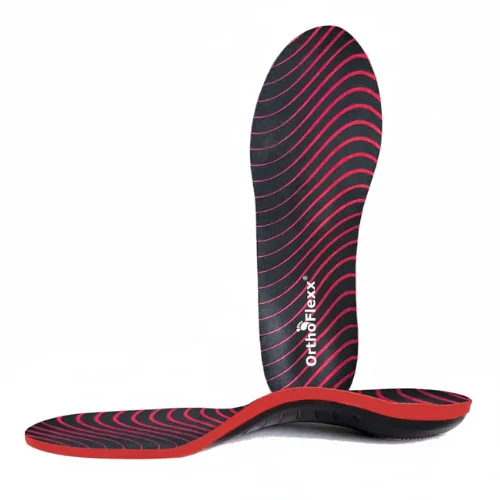
Users often mention that heel stabilization helps them feel more balanced when standing for long periods. Workers who spend entire shifts on their feet frequently report noticeable differences in fatigue when the heel remains supported rather than shifting inside the shoe.
Balanced Weight Distribution For Reduced Pressure
The third element involves redistributing pressure across the entire foot. Instead of putting body weight on the heel and forefoot, the structured base spreads impact more evenly.
This design approach becomes particularly useful during long workdays. When pressure stays focused on one area of the foot, tissues become irritated faster. Spreading that load across a larger surface reduces localized stress and improves overall comfort.
The insoles are also designed to support individuals weighing up to around 330 pounds.
When People Notice Improvement Using OrthoFlexx Insoles
Foot alignment doesn’t change overnight. Most podiatrists recommend giving supportive insoles time to influence posture and walking mechanics.
Information suggests that many people begin noticing improvements after one to two weeks of consistent use. This period allows the foot to adapt to a more supported position while pressure on the plantar fascia gradually decreases.
Online discussions reveal similar experiences. People often describe an adjustment phase during the first several days where the arches feel slightly sore or tight. This reaction usually occurs because the foot is being repositioned after spending years in unsupported shoes.
Once the adjustment period passes, individuals commonly mention:
- Less heel pain in the morning.
- Less fatigue on long work shifts.
- Better comfort when walking longer distances.
The extent of relief generally depends on many factors such as footwear quality, daily activity level, and foot health.
Frequently Asked Questions About Orthoflexx Insoles
Can Orthoflexx Insoles Help With Plantar Fasciitis?
They are created to lift your arch and reduce strain on the plantar fascia which are vital issues linked to plantar fasciitis discomfort. Many supportive insoles follow this same biomechanical principle.
How Long Does It Take To Adjust To Arch Support Insoles
Most people experience a short adjustment period lasting several days to a couple of weeks. Gradually increasing wear time helps the foot adapt to the new alignment.
Can Orthoflexx Insoles Fit Different Types Of Shoes?
They are typically compatible with sneakers, walking shoes, and work boots. Removing the original insert first allows more space and improves fit.
Constant heel pain usually signals deeper structural stress in the foot. Supportive insoles cannot replace medical treatment when needed, yet they often play a meaningful role in improving comfort and alignment during daily movement.
This is why OrthoFlexx insoles can come into play, because their structured arch platform and heel support are designed to help stabilize the foot and reduce the constant stress that commonly leads to heel pain.
Follow ModernMavenLiving for more on supportive footwear.